A Giddy Thing

The older I get the more I appreciate repetition.  I’m not talking about routine, although I value that more, too.  I’m talking more about reinforcement and confirmation.  I love it when Providence sends things my way and then leaves me to marvel at the overlapping, cohesive connectivity of it all.

Such a cosmic convening happened this morning when I was reading from C. H. Spurgeon’s Morning and Evening.  Writing about the divided nature of the human heart, Spurgeon said, “To have one foot on the land of truth, and another on the sea of falsehood, will involve a terrible fall and a total ruin.” In cosmic collision speak, I was struck by how those words (written during Spurgeon’s life in the mid-late 1800’s)  mirrored words written by someone else in our own century.

In the song, Sigh No More, the band Mumford and Sons sings, “One foot on sea, one on shore/My heart was never pure/You know me/You know me/But man is a giddy thing…”

Merriam Webster’s Online Dictionary lists the following synonyms for the word giddy:  “birdbrained, ditzy, dizzy, featherbrained, flighty, frivolous, frothy, futile, goofy, harebrained, light-headed, light-minded, puerile, scatterbrained, silly, yeasty.”  Yeasty? Yes, one of the definitions for a word that conjures up delightful thoughts of a kitchen wrapped in the aroma of baking bread, is “immature or unsettled.”  If I once knew this definition, I have forgotten it.  I guess I need to start repeating it. My new mantra when my children are annoying will be, “Stop being so yeasty.”  I digress.

What hope is there for giddy people? Again, Spurgeon wrote, “Christ will be all or nothing.”  Mumford and Sons say, “Serve God, love me and mend…”  One needs to read the full content of both the devotional and the song, but I think they’re getting at much the same message.  What do you think?
Naked navigation


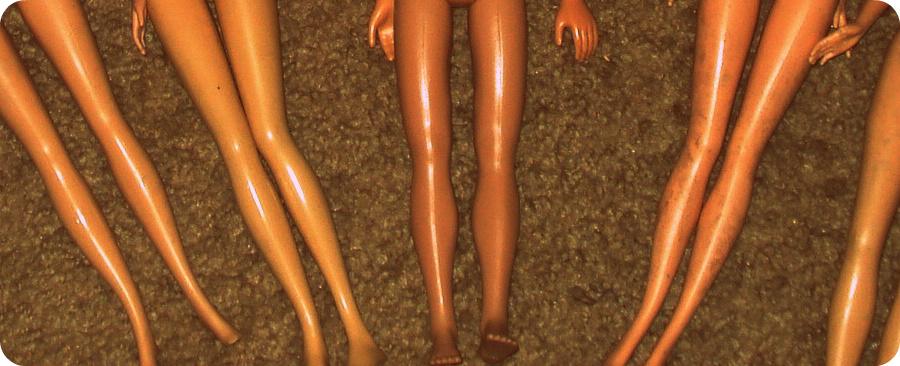
I shuffled out of my bedroom, fumbling with the belt of my fluffy robe and bumping my shoulder into the door jamb.   “Cof-fee, cof-fee, cof-fee,” my jarred brain throbbed.  I navigated the dark loft, but not as adeptly as a blind lady in her own home; I almost stumbled over the bodies.  Wait…bodies?  Naked bodies!  Many, many naked bodies. The shadowy silhouettes aggravated my eyes to a blinking state of awakened disbelief.  There were mostly girls, but yes, a couple of guys, too. My dilated pupils canvassed the bare legs, arms, chests, and breasts and came to rest upon the mixed pile of boys’ and girls’ clothes.  The limp pieces huddled together and lay at a distance, as if afraid to sneak any closer to the bodies from which they’d been so haphazardly discarded.

I searched for my daughter.  Her body was not among those on the floor, but I knew instinctively that this mess was her doing.  I shook my head.  Then lifted it.

“There is no shame here,” I told myself.  “This is only natural for a girl her age.

Smiling at the memory, I thought of the hours I had spent undertaking similar endeavors.  I remembered the tiny snaps and pin head-sized buttons.  I would have thought Velcro would be a great improvement,  but apparently one is still prone to just give up on the whole onerous exercise.

The programmable coffee maker had done its work, and a bold roasted aroma abruptly reminded me of where I was headed before being hijacked by the scene at hand.  I turned to descend the stairs.  “She does need to be better about putting her things up,” I muttered under my breath.  “Remember to tell her that when she wakes up.”

My daughter is 10 years old.  She still plays with Barbies.  She knows to cover her ears if I step on one of those pointy plastic hands.

Cupcake, anyone?

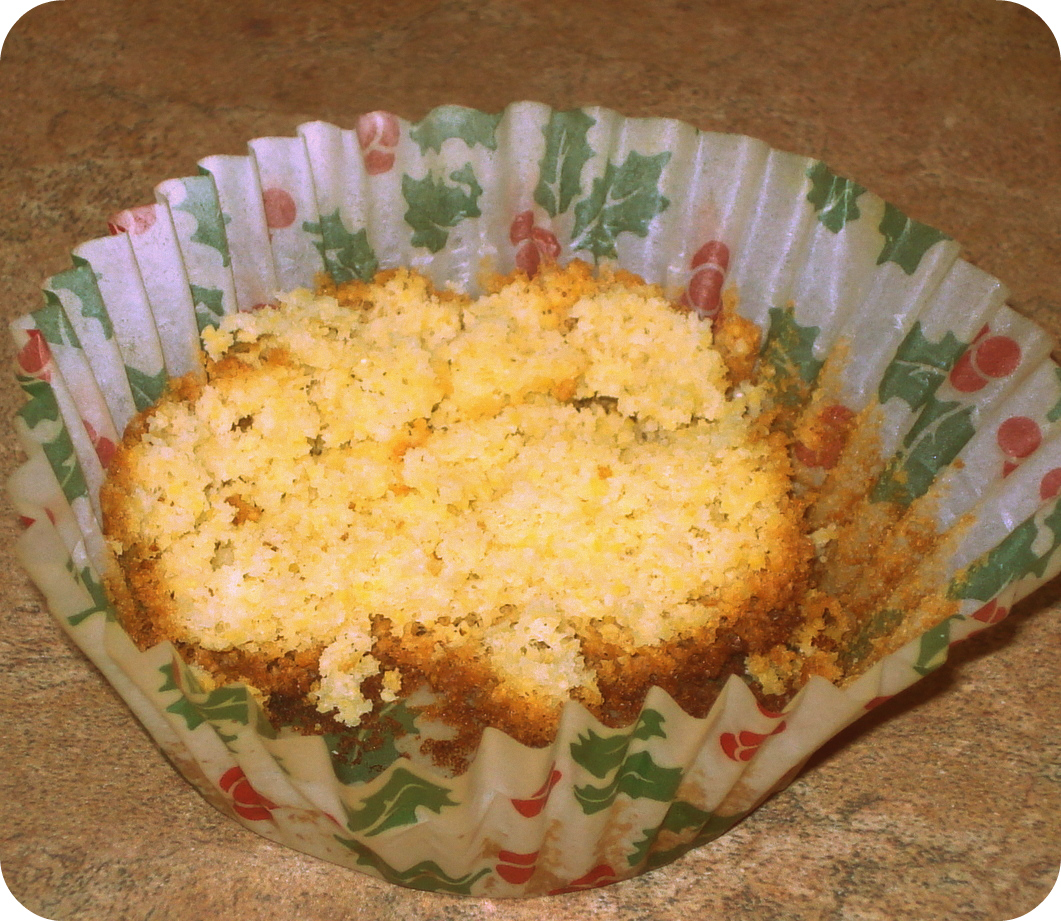
I answered the knock at the door.  It was the little girl who lives a few houses down the street.  She is about nine, ever so slightly chubby, and pretty – a dishwater blonde with light mocha skin and hazel eyes that belied a hint of nervousness on this occasion.  She lifted the contents of each hand towards me –  a plastic lavender tackle box-style of purse in one, and a shallow box of muffins in the other.   “Would you like to buy some cupcakes?” she asked in a lackluster voice.

“Oh, they’re cupcakes,” I mentally corrected myself.  Very browned cupcakes.  I took note of the fact that the little saleswoman apparently subscribes to my own cupcake philosophy; i.e., a naked cupcake is a better cupcake.  Frosting is superfluous.   I also noticed the cupcake liners were a Christmas theme.

I remembered the last time she knocked on our door trying to sell something – a well-worn backpack.  I turned down that offer.  This time I turned to go grab some change, and instantly two sides of an internal dialogue grabbed for my allegiance.   The Pollyanna side argued that she is a budding entrepreneur.  “Someday she will eat steak and ice cream three times a day!” it chirped.   The Roseanne side proffered that someone had sent her out to hock a few cupcakes and raise a little cash. “Don’t you get it?” it bleated.  “Last month – backpacks; today – cupcakes.  What will it be next week?  Toothbrushes?”  I ignored Roseanne and headed for my purse.

I returned with the change and selected my cupcake.  It felt like the proverbial rock, which is the same way my heart was beginning to feel.  I wondered if I should buy more or leave her with more to sell to other neighbors.  Was she at my door because she wanted to be or because someone else wanted her to be?

I closed the door and considered my 50 cent purchase.  I hoped someone might recommend frosting them next time.  Even though it’s not my preference it would probably help her sell more.  My husband, who was watching football in the family room, asked who was at the door.  I told him the story and plopped the cupcake into his hand.  (Was it my imagination, or did it land with a thud?)  He tried to break off a bite, but it crumbled between his fingers.  Cornbread.  My favorite.  I regretted not buying more, but my palate was not the reason.

Plow and forge, prune and water…

I’ve made many pledges in my 24+ years of being a mother.  I’ve pledged to never discipline out of anger – then pledged to forgive myself when I’ve yelled so loudly the lampshades shook.  I’ve pledged to pick up the house every night before going to bed – then pledged to give myself a break for leaving the clutter to greet the morning’s faithful dawn with me.  I’ve pledged…well, you get the idea; that is,  motherhood is a perpetual balancing act of discipline and dogged refusal to be overcome by guilt over failures of discipline.

I thought that I’d finally hit upon a pledge I could live with when I pledged to take as my motto, “Shut up and pray.”  But this hasn’t been easy, either.  I have to say, it works better with sons than daughters.  My sons, while capable of indulging me with inspiring mother-son discussions, more often than not tend to prefer to plow ahead and forge their own way in this world.  I like those words – plow and forge.   They bring to mind dirt-smudged farmers and sweat-drenched blacksmiths, strong and persistent workers.  I hope my sons will be strong and persistent, but perhaps it’s even more important that I be that way in keeping my motto in regards to them.  Plow, forge, shut up and pray.

My daughters are a different story.  They are like beautiful potted flowers that need to be pruned with gentle admonitions and watered with words of encouragement.  Yes, it may be a myth that talking to your plants helps them to grow, but it’s not a myth for daughters.  Daughters really do need face time.  And that makes “shut up and pray” challenging, but all the more necessary.  Talking things out is helpful, but also dangerous.  There is the temptation to just keep on talking, as if our words alone will solve every issue.  They can’t, and so I vow to plow and forge, prune and water…shut up and pray.

Alphabet Ride (for Loey)

“May I have a word with you?”

said A to B and C.

“The only English word that works,”

said B to A and C,

“is the one that starts with C

and ends with me, the B.”

“That’s right,” said C

to A and B.

“Let’s get ourselves in line.”

“Do you mean to make the word,”

began the letter A,

“or to line up to get in

the word someone will say?”

“Oh, never mind,”

said B to C.

“A always thinks he’s first.

Riding in a cab with him

will surely be the worst!”

The Birthday Game

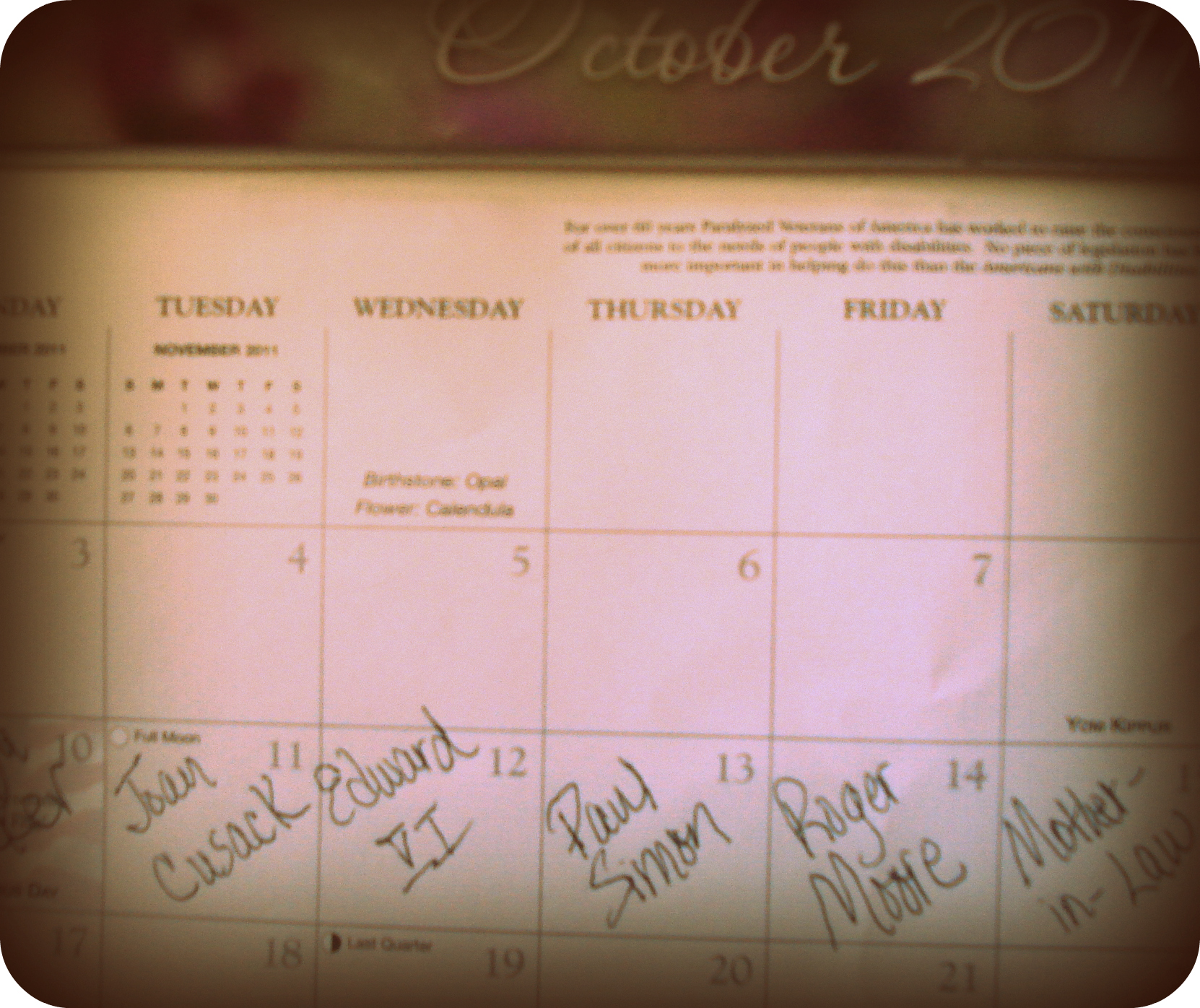
For a time, a friend of mine was doing a “birthday game” on Facebook, where he used a famous person’s photo as his profile picture.  It was fun trying to guess the identity of the personality who was celebrating a birthday on the given day.  My friend ended the game on his own birthday.  I didn’t think much more about it until yesterday when Rolling Stone noted that it was Paul Simon’s birthday.  I was inspired to reinstate the birthday game, though I don’t know how long I’ll last.  I’m already struggling with the discipline of researching the birthdays.  I did look up the birthdays for this week, and found a few that struck a chord with me:

October 9 – Jackson Browne – Singer/Songwriter/Activist.   Infamous for alleged drama with Darryl Hannah.  I like him best for the songs he’s written for himself and others like the Eagles and Linda Ronstadt.  He penned one of my favorite lyrics in his song Doctor My Eyes: “Is this the prize for having learned how not to cry?”

October 10 – Tanya Tucker – Country Music Artist.  She had her first hit at age 13.  I sang that hit, Delta Dawn, as a junior in my high school’s Grand Ole Opry Revue.  I wore some tight western style polyester slacks, a fringed shirt and cowboy boots.  As horrid as it sounds, let’s just say I probably did better channeling her appearance than her voice.

October 11 – Joan Cusack – Actress. I’m no movie buff.  My sentimental connections to movies usually occur through experiences with my kids, and this is no exception.  My kids and I love Joan in School of Rock, especially the scene where she lip syncs/sings Stevie Nicks’ Edge of Seventeen.

October 12 – Edward VI – King of England and Ireland (1547-1553).  I love history and biographies.  One of my favorite books is The Wives of Henry VIII by Antonia Fraser.  It, of course, gives the low-down on Edward’s daddy.  The book is over 450 pages and I read it twice.  Does that make me some kind of nerd?

October 13 – Paul Simon – Singer/Songwriter. I must have been in the 8th grade when I got his Greatest Hits on 8-track.  My favorites: Slip Slidin’ Away, Still Crazy After All These Years, Me and Julio Down by the Schoolyard, 50 Ways to Leave Your Lover, Mother and Child Reunion, Loves Me Like a Rock, and the song that taught me about photography…Kodachrome.

October 14 – Roger Moore – Actor.  My favorite James Bond.  That blind date I blogged about last week took me to see Octopussy, which featured Moore.   I was more impressed with Rita Coolidge singing All Time High.  It would take the true love of my life, my husband, to help me appreciate Roger Moore and James Bond.

October 15 – Mother-In-Law – She turns 80 tomorrow, and after retiring more times than can I  count, recently accepted another position teaching college nursing courses.  She has endured much in her life, including the suicide of her first husband, my husband’s father.  I have learned many things from this amazing woman, but perhaps one of the most valuable is the Bible verse she used to have tacked to her bedroom wall: “I will restore  the years that the locust hath eaten.” (Joel 2:25)

You found your pizza where?

– “I was wondering why my car reeked…definitely didn’t notice my leftover pizza had fallen out of my lunch sack.”

– “I’ll pray this music keeps me awake on my way to school.”

– “Every time I drive through a yellow light I tap the roof of my car.”

Just a sampling of my daughter’s Facebook statuses.  She’s in college 1,100 miles away, a safe distance for keeping me from freaking on her for giving me heart palpitations.   Yes, I know she could be posting things far more alarming, and I’m truly thankful that most of her posts reflect what a determined, capable, thoughtful young woman she is becoming.  I’m not so sure my mom would have been able to say the same about me at the same age.

My college days predated cell phones, laptops and the internet (NOT electricity – contrary to what my kids think.)  Otherwise, my mom might have read things like…

– “Just drove across the entire state of Kansas BY MYSELF.”

– “Ran out of gas on mountain road to Kittredge, CO.  Walking to lighted house.”

– “Note to self: no more blind dates with friends of brother’s brother-in-law.”

– “Listened to roomie’s new record (U2?)  Think I’ll stick with Lionel Richie.”

All of which would have betrayed my 18-year-old ignorance.  Then again, the betrayal of ignorance is the most necessary of sign posts on these wild, amazing journeys.  Even the solo ones down mountain roads and across vast deserted prairie highways…and I suppose, even through yellow lights when you’re barely awake.

Quotidian Water

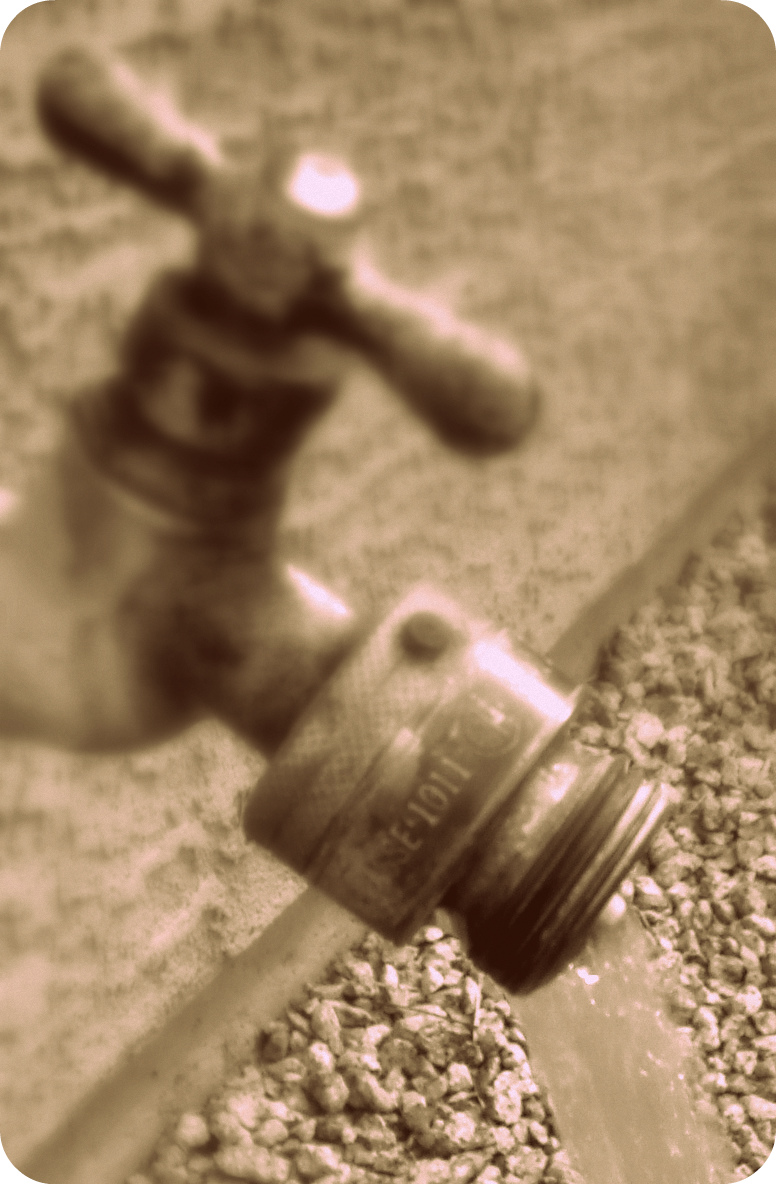
The thing I remember most about the sophisticated water faucet my teenage brother engineered for my cardboard playhouse, is that it disappeared overnight.

To call it a playhouse is a stretch.  It was a tall corrugated water heater box with that distinct pulpy cardboard smell, and it had barely enough room for me as a five-year-old to turn around in.  I could place a mud pie and a small plate of grass salad next to a wall.  I could sit a doll in a corner, but she had to hold her bottle on her own little lap.  The tight quarters didn’t faze me.  Having to do without the accoutrements of a well-equipped kitchen were insignificant to me, overshadowed by the one magical feature of my little room – my kitchen had running water.

Back when Miracle Whip jars still had tin lids, my then 14-year-old brother used one to make a water dispenser for me.  I don’t remember the details of his design.  Besides the jar, he used a long thin silver metal pipe and a copper spigot.  I still couldn’t explain the physics of it to you, but it took him all afternoon to construct and install it in my kitchen.  Finally, came the magical moment when he showed me how to turn the handle and water bubbled up in the jar and out through the spigot.  Just once.  Then he hurried me out of my charmed little cardboard haven to tweak his design.  I couldn’t wait to return to it the next day.

But the next morning it was gone.  It might have blown away in the Oklahoma wind, but more likely my parents decided they didn’t want a tower of cardboard in their yard.  Whatever the reason behind its disappearance, I was crushed at its discovery.  This might have been my introduction to dashed hopes.  Not that I was a particularly spoiled child;  my parents often told me, “No.”  I just had such visions for playing with that faucet, such hope for spectacular running water adventures in my little house.

Hope is a picture of a longed-for result and sometimes it seems that life is a series of dark room catastrophes – blessings that never reach the light of day.  The important thing is to come out of the dark room, keep coming back to the real world to take more pictures.  No new film ever originates in the dark room; it has to be obtained outside in the light – the glaring, harsh, glorious reality of light.

It surprises me less and less that the most memorable stories of my life contain quotidian elements like water.  Jesus used those very things to describe Himself, to help me understand who He is.  I understand more and more that who He is, is my one sure never-changing picture of hope.

 “Jesus answered and said to her,’Everyone who drinks of this water shall thirst again; but whoever, drinks of the water that I shall give him shall never thirst; but the water that I shall give him shall become in him a well of water springing up to eternal life.'” (Matthew 4:13-14)

Checkered Past

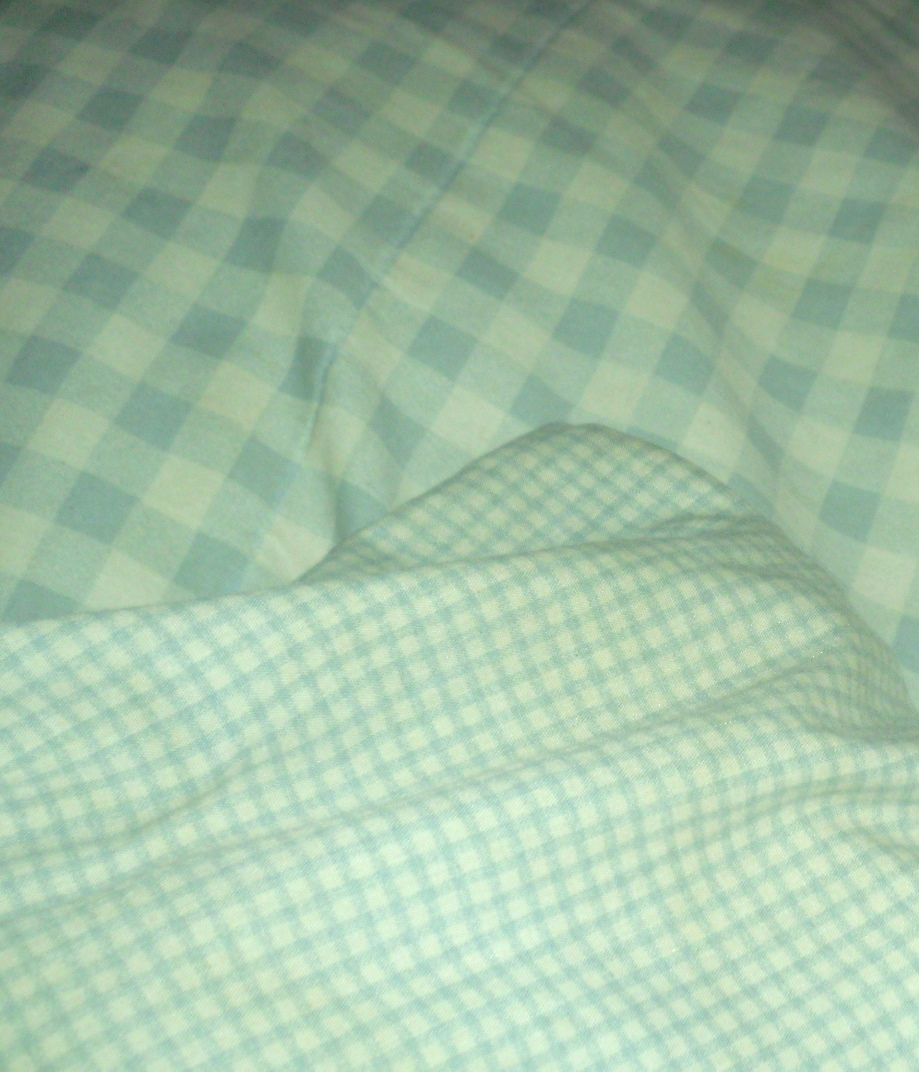
I rose early this morning.  My daughter had asked me  to edit an English assignment, a story about a defining time in her life.  This is the daughter through whom I’m convinced I will live vicariously.  I sometimes fantasize that she will be the Rose Wilder to my Laura Ingalls, that when she is living the exciting life of a writer in Dublin or Portland or Tempe, she will coax her aging mother into writing about the good old days – the days on Dorchester or Gilesford or the painted desert, the days of cow print pants and checkered comforters.

She hated those pants, but she mentioned the checkered comforters in the story that put a lump in my throat.  I didn’t realize until then how attached to those comforters she and her sister had grown – like babies with their favorite blankies.  I remember the day we picked them out, the trip to the Town Center – back when it still had the ice skating rink where Tonya had infamously practiced her Olympic routines.  (“Yes, sir.  I’m sure.  I am NOT related to her!”) Shortly after our move to Gilesford Street, I had trekked there, a vision from a Southern Living magazine dancing in my head, my two little girls dancing along behind me.  Perhaps subconsciously I was clinging to my roots, despite being enamored with the Pacific Northwest.  I wanted to find flowered prints and checks.  We found them in perfect blues and yellows.

When we moved to the desert I thought the girls would want new bedding for their new rooms.  They played along, but the first opportunity they got they switched back to those soft, bulky, checkered comforters.  I was glad we’d spent the extra money for quality, durability that would last through slumber parties, forts, stair slides, nightmares, illnesses, and moves.  I’m glad to know how much they’ve meant to my girls, who no longer dance behind me, but in front, pulling me into their futures.

“What’s your favorite color?”

What’s your favorite color?

 Frankly, I’m appalled at how utilitarian I’ve become when it comes to answering a question that took me half a second to answer when I was three – or 12.  Psychologists tell us that color affects our moods, emotions, and the decision we make.  That’s all good to know, I guess, but over-analyzing anything kind of puts a damper on my quotidian appreciation of it. Evidently there’s some merit to the theories: I’ve noticed I have one answer for what I wear, another answer for decorating my home, and it takes nothing short of a blazing orange Arizona sunset to remind me that it wasn’t always so.  There was a time I chose my favorite color based on raw sensation.  If you had asked a preteen me, “What’s your favorite color?” I would have told you in the blink of your cerulean eye, “Spring green!”

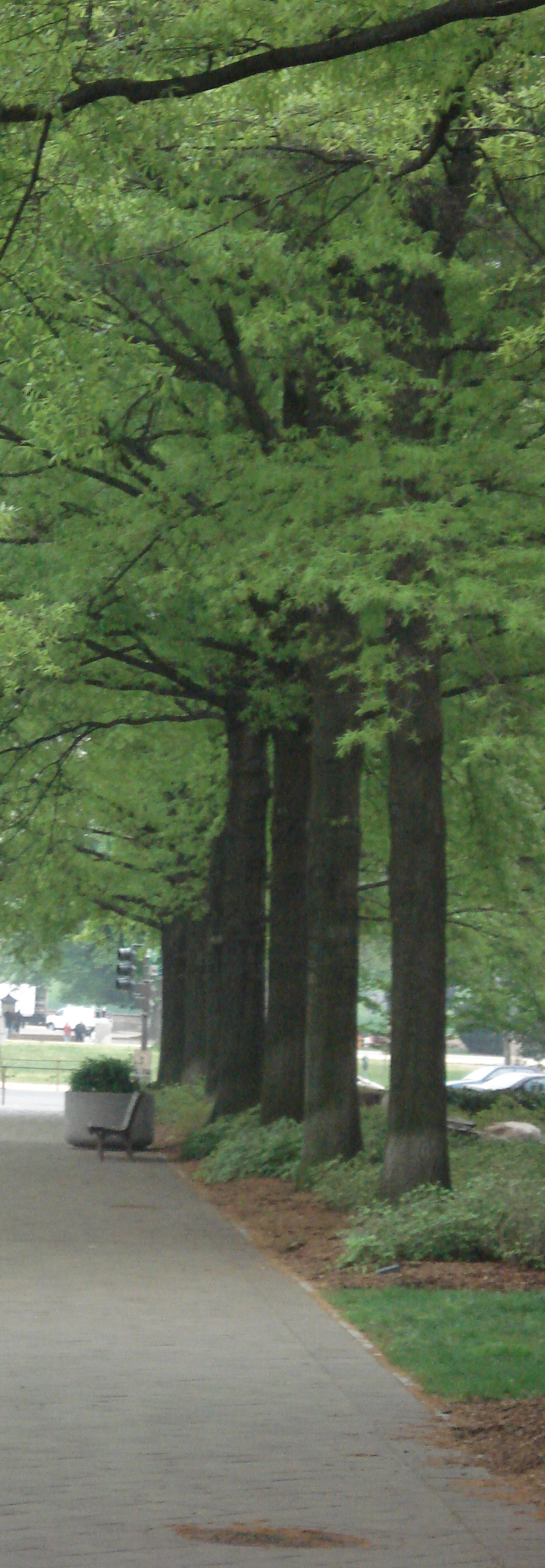
“Spring green” (in case you’re wondering) is a green that hasn’t yet had its fill of chlorophyll.  Like preteen girls, it’s still growing in its greenness.  It entrances a girl with its vivacity and hopefulness.  It’s the delicately pale vibrant green that slits the purplish-brown buds that knob up on tree branches, and then folds itself open to the waiting sunshine.  It reflects the sunshine.  It’s the color that awakes your eyes with butterfly kisses, beckoning them from the lethargic spell of winter’s browns and grays.

In one of the several houses I lived in when I was growing up, we had a room-size rug of short shag carpet that was mottled with hues of spring green and champagne.  It was the perfect realization of spring green.  In the living room where it covered most of a well-worn wood floor, there was a floral and geometric patterned stained glass window high on an east wall.  On clear mornings, whether there were snowdrifts up to the window sashes or crocuses blooming beneath the pines, beams of sunshine would come shooting through that window, pulling the glass’ colors down to dance on the carpet.  And though the carpet’s colors were magically transformed by the quivering burgundy, emerald and gold brought by the sun, they grew even more rapturous.  I loved to lay there in the warmth and color and let the beauty absorb all my preteen angst.

Now that I think about it, spring green could probably absorb a good share of my adult angst.   What about you?  What’s the “spring green” of your life?